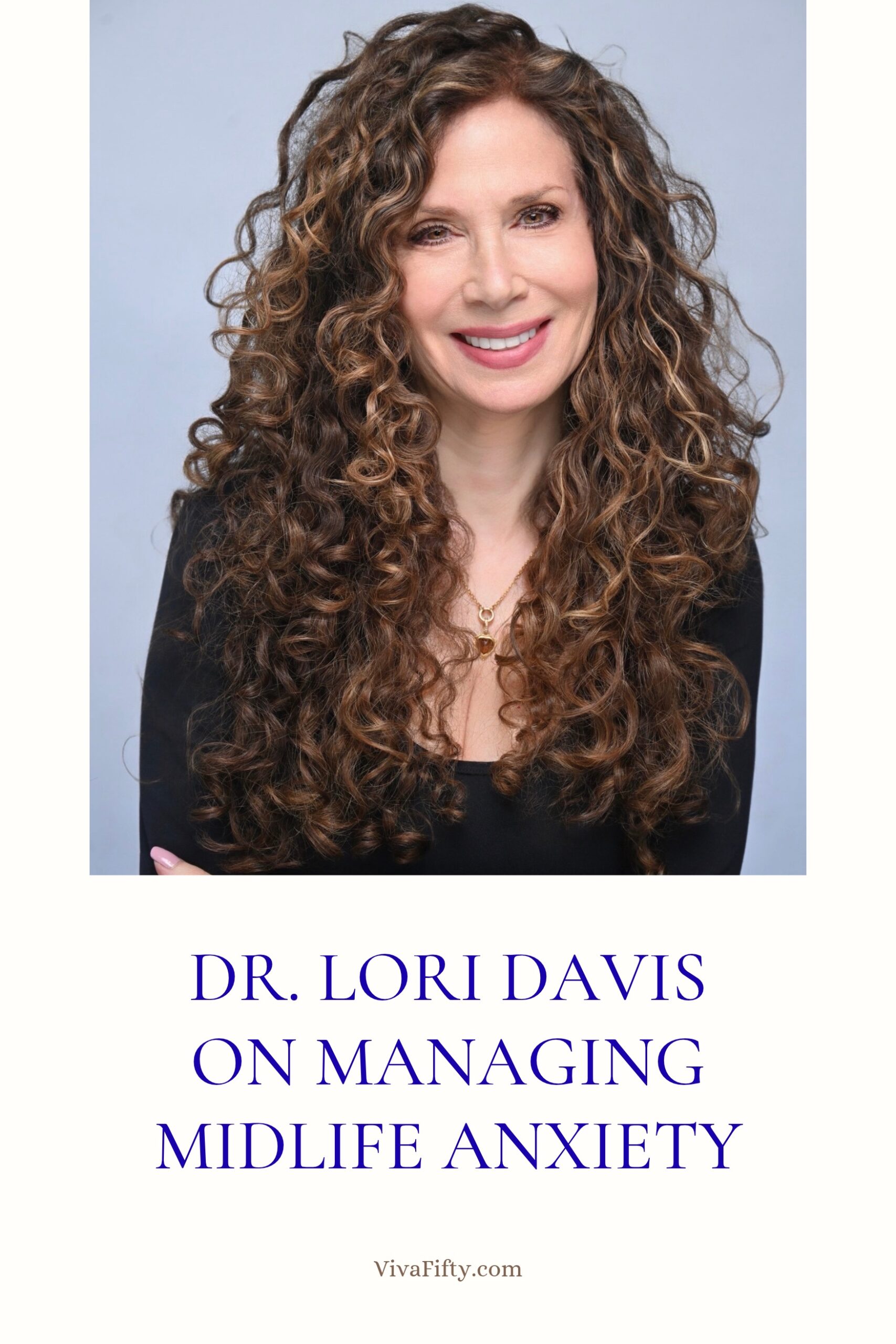
Anxiety can catch you off guard in midlife. You may find yourself worrying more, avoiding things you used to enjoy or wondering why you suddenly feel unlike yourself.
For some women, this is a new experience. For others, menopause brings changes to anxiety they’ve managed for years.
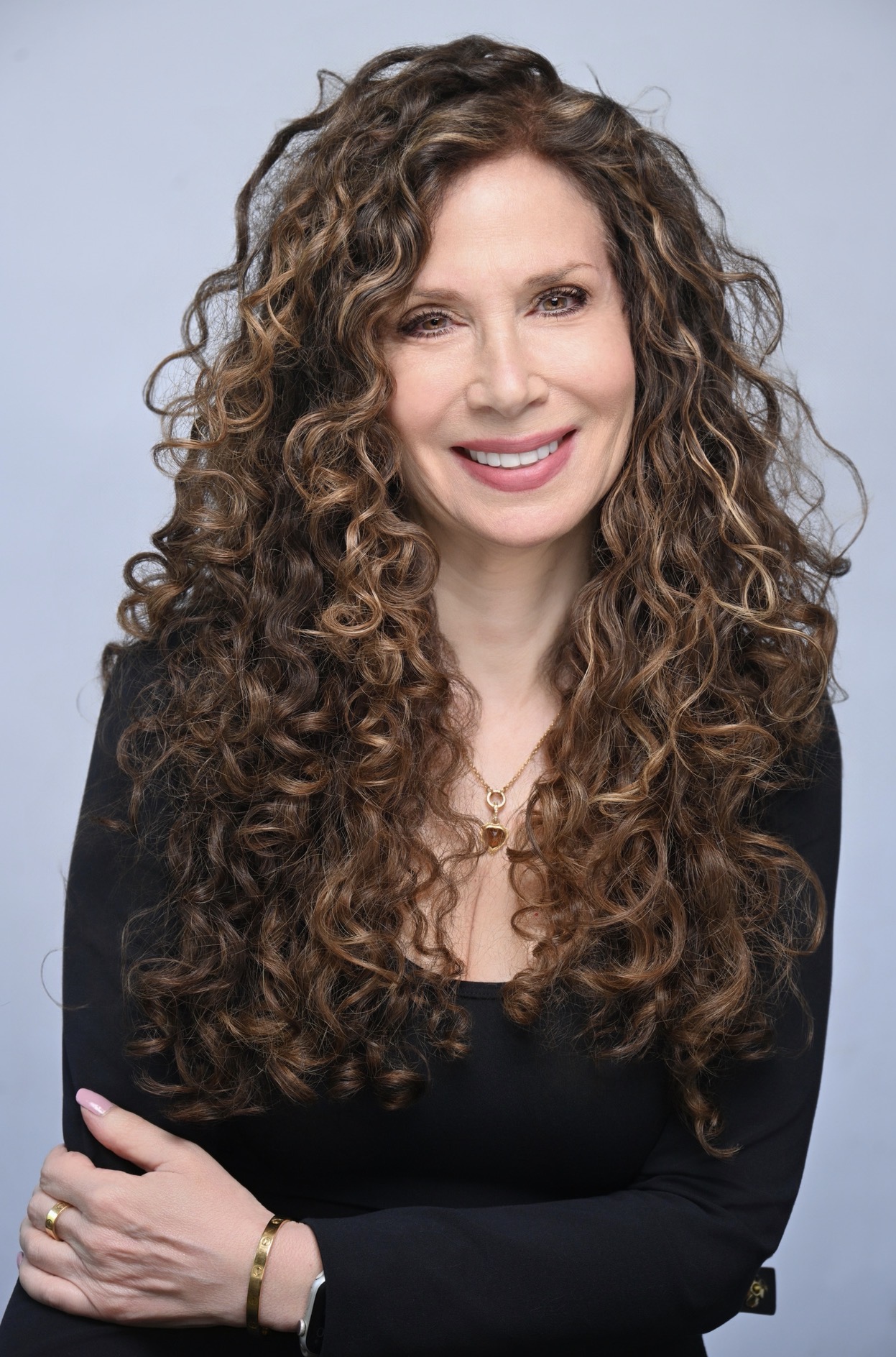
I’ve lived with anxiety since my teens, so I was especially interested in speaking with Dr. Lori Davis, a clinical psychologist in New York City who specializes in anxiety and trauma. She also teaches and supervises psychology graduate students.
We connected on Instagram, where she shares something that makes her approach particularly relatable: she has anxiety herself.
“I’m Dr. Lori Davis and I have anxiety, too” is her tagline on Instagram.
Her willingness to say that openly is one reason I wanted to share her perspective with the Viva Fifty community. You can have experience, accomplishments and a life you enjoy while still needing support for your mental health.
Why anxiety may increase during menopause
Midlife can bring several changes at once. Alongside the menopause transition, women may be managing demanding careers, caring for aging parents, raising children or adjusting to an empty nest.
Sleep can become disrupted, too, making everyday responsibilities feel harder.
“All of a sudden you have anxiety, or maybe you’ve had anxiety your whole life and then it kicks up again,” Davis said.
“We’re juggling kids, aging parents, careers, re-evaluating ourselves, criticizing ourselves.”
That self-criticism can become another source of distress. You may look at someone else and wonder why she seems to manage everything while you feel overwhelmed.
Davis described women asking themselves, “What’s wrong with me?” and “Why am I anxious?”
Some women report anxiety during perimenopause, according to the American College of Obstetricians and Gynecologists. Mood changes during this transition deserve attention and a conversation with a healthcare professional.
Davis encouraged women to include mental health in their overall approach to caring for themselves.
“Your mental health issues may change during this time, and you need to attend to that just like you would attend to your bone health and your diet and everything else,” she said.
Understanding what anxiety looks like for you
Recognizing your own symptoms is a useful starting point.
You might notice persistent worry, physical discomfort or a growing reluctance to leave home and participate in activities. Understanding that pattern can help you explain what’s happening when you seek care.
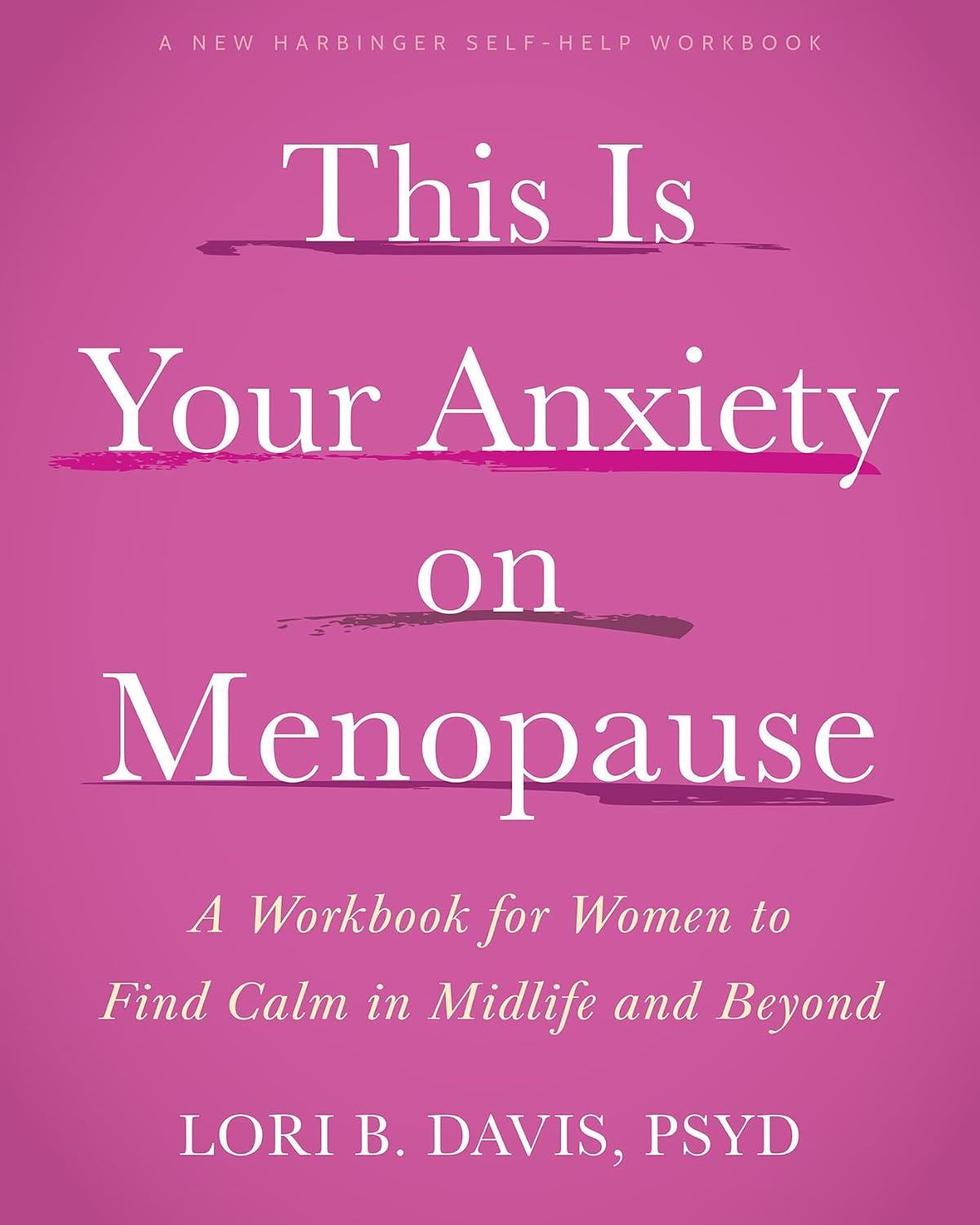
Davis’s workbook, This Is Your Anxiety on Menopause: A Workbook for Women to Find Calm in Midlife and Beyond, guides readers through identifying their symptoms and exploring ways to manage them.
“I try to write it in a very accessible way,” she said.
The exercises include relaxation strategies, breathing, self-compassion and visualization. She also addresses movement, nutrition and staying involved in everyday life.
The goal is to help readers develop an approach that fits their circumstances, rather than expecting every woman to need exactly the same things.
Facing fears in manageable steps
When you feel anxious, staying home can seem like the easiest option.
“Sometimes when people are freaking out, they’re like, ‘I just want to pull the covers over my head. I don’t feel like myself. I don’t want to go out,’” Davis said.
The difficulty is that repeatedly avoiding feared situations can keep anxiety going. Over time, you may find yourself doing less and less.
“The most important thing is to approach your fears,” she said.
Davis described helping patients break a feared activity into smaller, manageable steps. This approach is part of exposure therapy, which is used to help people tolerate distress associated with feared situations. A qualified therapist can help develop an appropriate plan.
I could relate to this. I’ve been anxious about public speaking, flying and other activities over the years. Taking improv classes has given me another opportunity to practice showing up while nervous.
I still feel uncomfortable sometimes. But participating has also brought enjoyment, friendships and experiences I would have missed if I’d waited to feel completely confident.
Therapy and medication are individual decisions
I’m open about taking medication for anxiety because it has helped me enormously. Finding the right treatment took time, and I know my experience won’t be everyone else’s.
Davis emphasized that people respond differently to treatment.
“Some people prefer to take medication. It works beautifully for them,” she said. “Other people don’t like the side effects.”
Treatment for anxiety can include psychotherapy, medication or both. Decisions should be made with a qualified healthcare professional who understands your symptoms and needs.
Davis stressed the importance of finding someone who listens, including when you raise concerns about side effects.
“It’s working with a professional who’s going to listen to you and not poo-poo side effects, who’s really going to be supportive of you,” she said.
If you’re looking for a therapist, appropriate qualifications and a good working relationship matter. The therapist doesn’t need to have experienced anxiety personally to help you.
“Try to find someone who’s a good fit for you,” Davis said. “Obviously check out that they’re licensed.”
Give yourself room to adjust
What helped you manage anxiety in your 30s or 40s may need adjusting in your 50s and beyond.
“Sometimes coping strategies that worked for you 10 years ago don’t work for you anymore,” Davis said. “So you try out new things.”
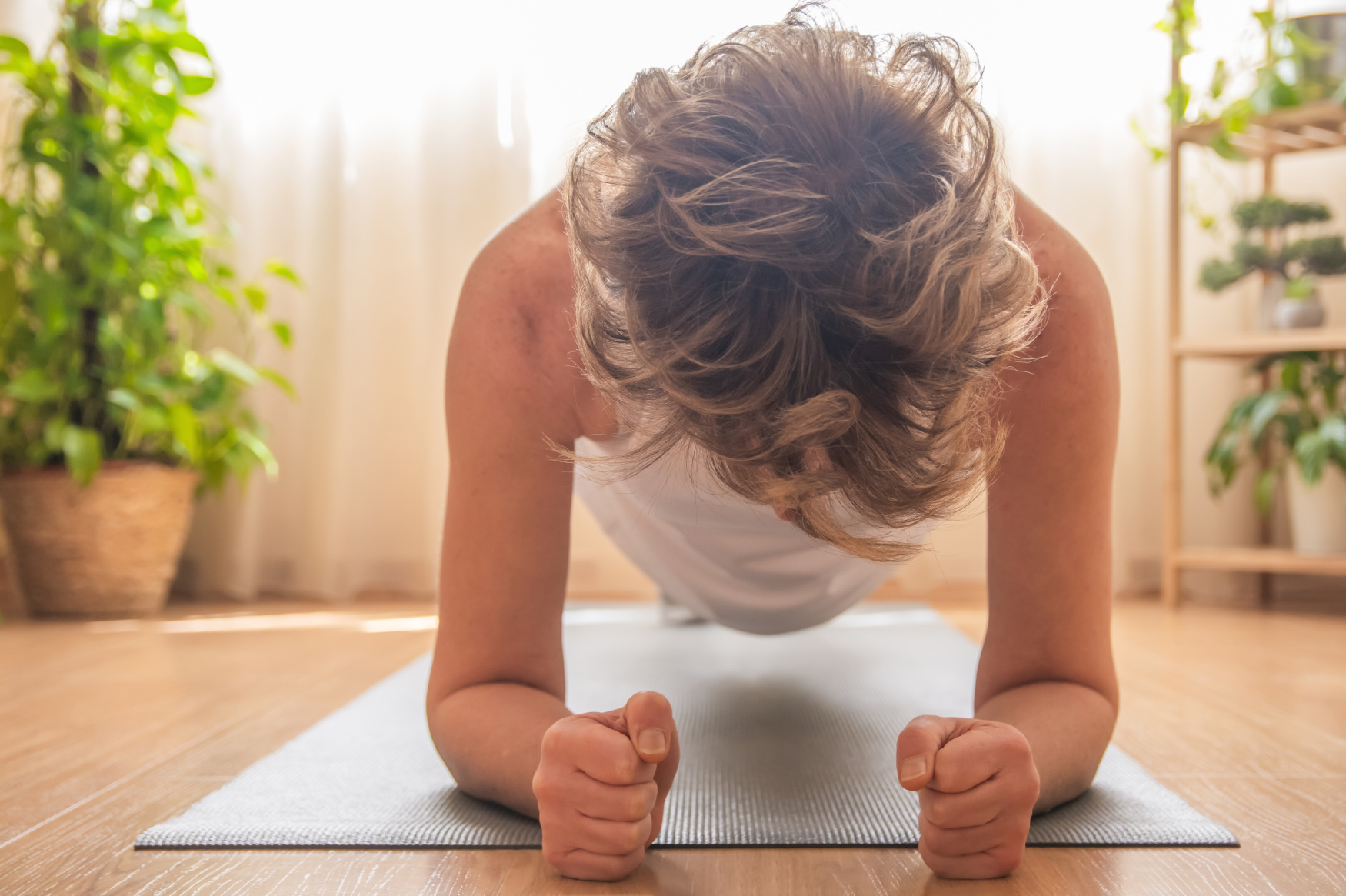
That includes allowing flexibility in the habits that support your well-being. If you’re exhausted, your exercise routine may need to look different that day.
“You can do a little bit some days and a lot other days,” she said.
As someone who enjoys working out, I appreciated this reminder. I’m learning to pay attention to my energy and make room for rest. Turning every routine into a test of discipline can give us one more thing to criticize ourselves about.
You can seek support at any age
Before we finished, I asked Davis whether she sees a therapist herself.
“I do see a therapist,” she said. “I would say that I find it really helpful.”
She has been in therapy on and off since she was first diagnosed with anxiety and has benefited from working with different therapists.
“I’ve been really fortunate to find some therapists who really got me,” she said.
At 63, I still have anxiety. I also work, travel, exercise and try new things. Appropriate care has helped me enjoy more of my life, and I’m grateful I kept seeking it.
Whether your symptoms are new or familiar, you deserve to have them taken seriously. Davis’s advice is a good place to begin:
“Figure out what works for you, but don’t ignore your symptoms.”
You can learn more about her work at DrLoriDavis.com and find her on Instagram at @drloridavis.