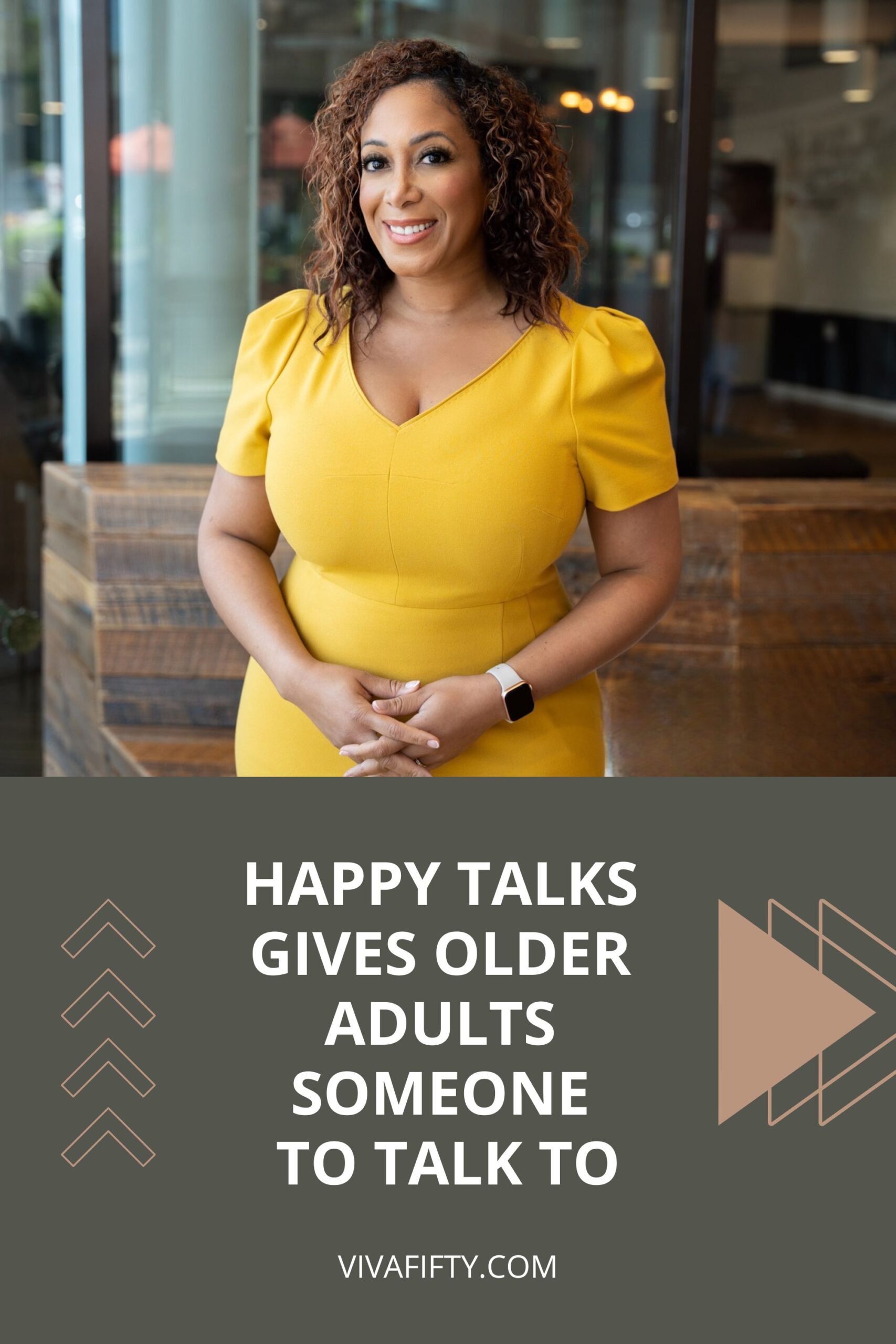
Christian Ross did not start out in elder care. She spent 20 years in real estate, and that is where she kept seeing the same thing happen: an adult child would bring her in to sell a parent’s longtime home, and the parent was often not ready for what was coming. They might have lived in that house for 20, 30, or 40 years. Sometimes they were moving in with family. Sometimes they were moving to a community. Either way, Christian saw how hard that change could be.
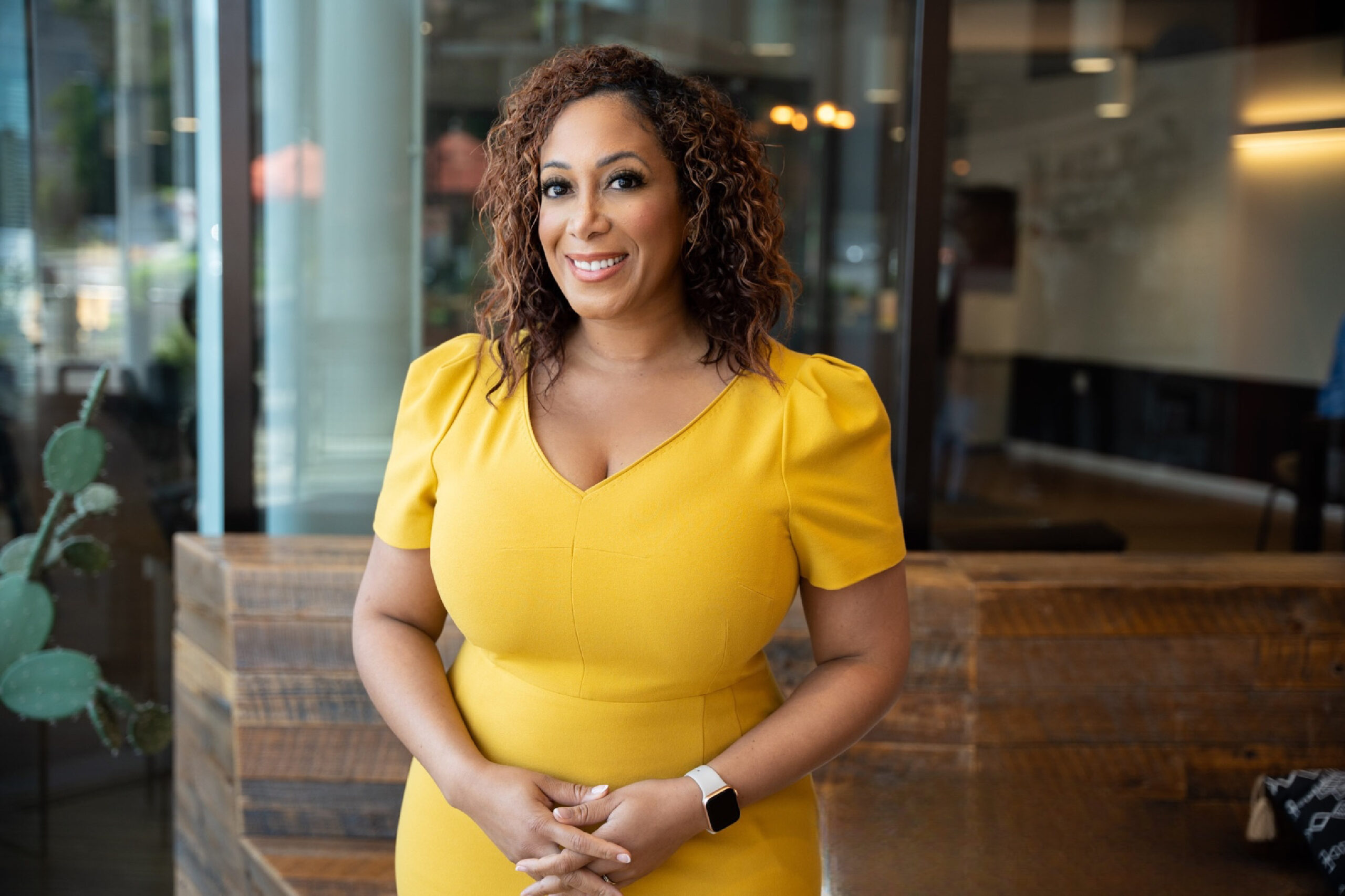
The adult children were usually trying to do the right thing, especially if there had been a fall or a health scare, but the parent was losing a home, a routine, and a sense of control. That part could not be rushed. Christian started telling families to slow down and, if possible, add two or three months to the timeline so the older parent could be part of the packing, the decisions, and the transition instead of feeling pushed through it.
That work eventually led her to create Happy Talks, a service that gives older adults regular social phone calls.
What Happy Talks Is
Happy Talks is simple. Older adults get phone calls from trained “buddies” once, twice, or three times a week, depending on the plan. These are not medical calls. The buddies are not therapists, and they are not calling to ask about prescriptions or blood pressure. They are calling to talk.
That might mean talking about a TV show, a childhood memory, a funny thing that happened that week, a favorite food, or the same family story adult children have already heard many times. Christian is fine with that. She says if someone wants to tell the “Uncle Pete” story again, the buddies are there for it. They listen, ask questions, and let the person talk.
Happy Talks also sends handwritten cards and quarterly “happy boxes” with small gifts. Sometimes the gifts are practical, like socks or lip balm. Sometimes they are more personal, like candy from the state where someone grew up.
It Does Not Replace Family
One of my first questions was whether this lets adult children off the hook. Christian said no. Happy Talks is meant to support families, not replace them.
That makes sense. Many adult children are working, raising kids, managing their own lives, and also caring for aging parents. Some are in their 50s or 60s. Some are in their 70s and caring for parents in their 90s. A weekly call from someone else may not sound like a big deal, but for an older adult who is lonely, bored, or tired of feeling like a burden, it can matter.
Some Happy Talks members live alone. Others live with their adult children but still want someone outside the family to talk to. I get that, because living with people does not automatically mean you have enough connection or conversation.
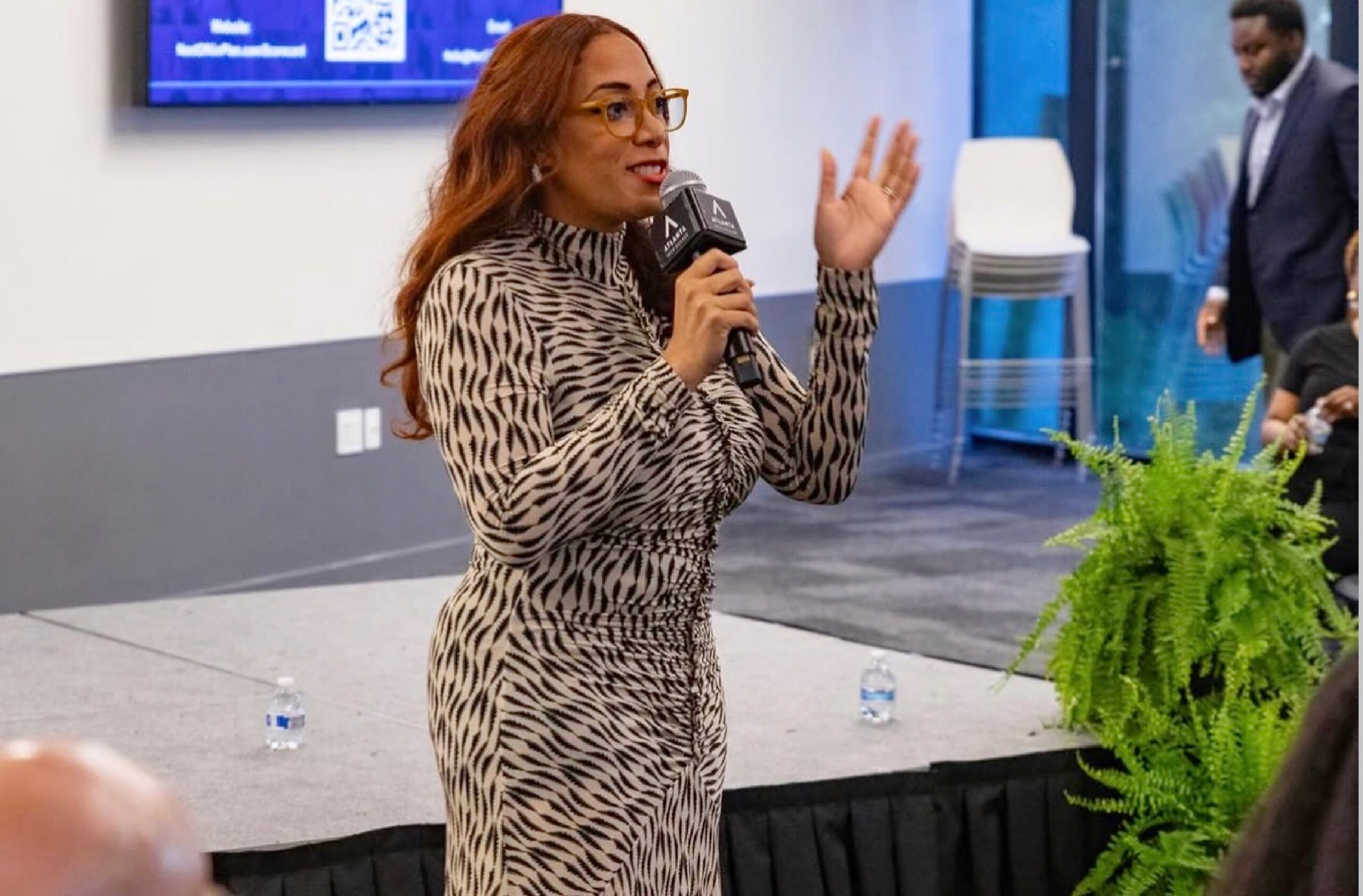
Someone Is Paying Attention
The calls are social, but Happy Talks also watches for changes. Christian told me about a man who suddenly started slurring his words during a call. He had never done that before, so they contacted his daughter. It turned out he had started a new medication and the family knew about it, but they were still glad Happy Talks had noticed.
That is one thing I found interesting. The service is not trying to act like a doctor or a substitute for family, but if something sounds different, they can alert the adult child. For families who live far away, or for families juggling several responsibilities at once, that kind of extra set of ears could be helpful.
Scams Are Part of the Conversation
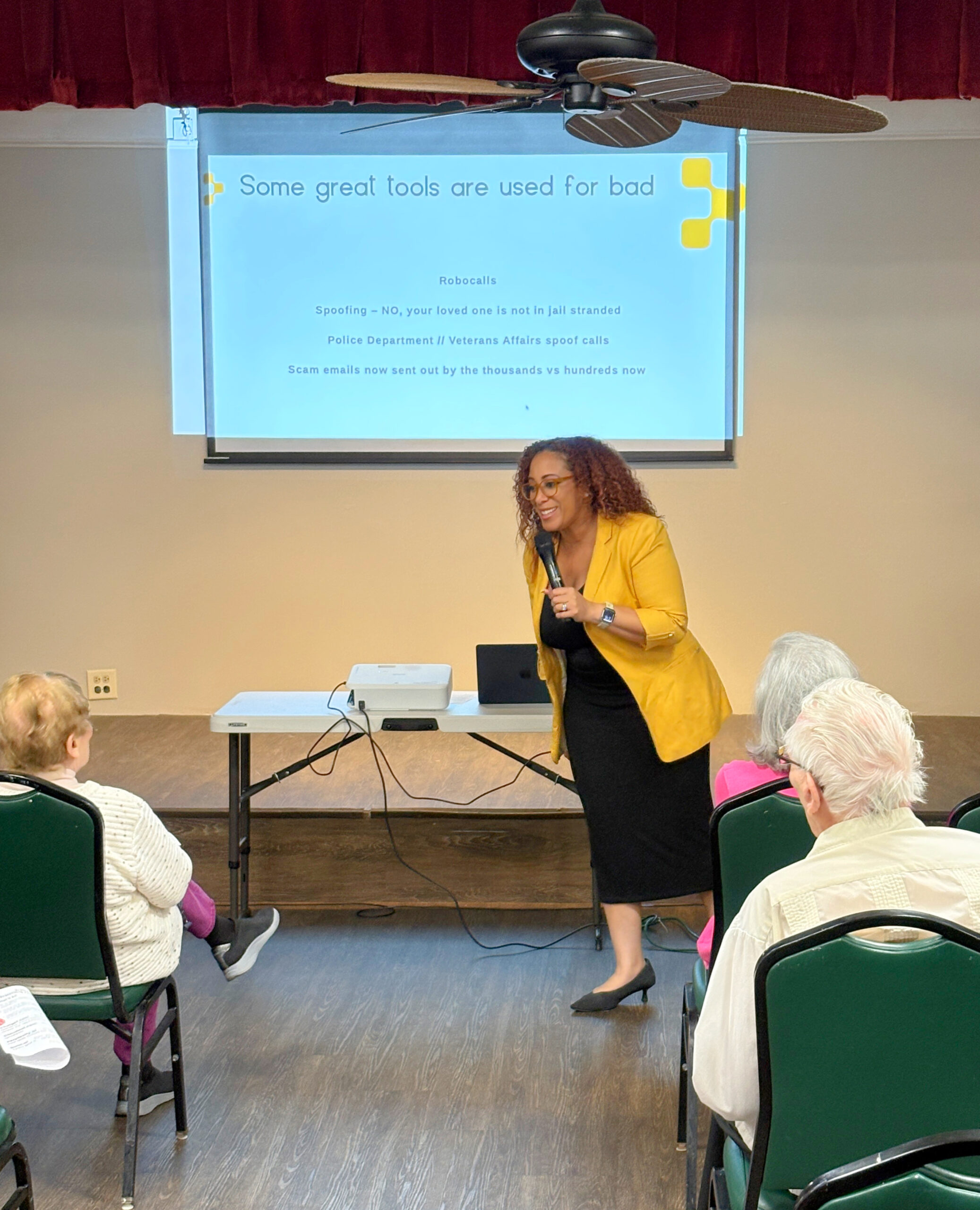
Christian also brought up elder scams, and this part stuck with me. Older adults are often targeted by scammers, and the scams are getting harder to spot. Fake emails look real. Calls can sound convincing. People can be pressured into sending money before they have time to think.
Happy Talks buddies listen for signs that something may be off, like a new Facebook friend, a strange request for money, or a story that sounds suspicious. They are not grilling anyone. They are just paying attention.
Christian also thinks families need to talk about scams before they happen. Her advice is practical: have a family safe word, and if someone calls with an emergency story, hang up and call your loved one directly. I agree with that, because I always think I would know what to do in a strange situation, but the truth is, people freeze. Scammers count on that.
Why I Liked This Conversation
What I liked about talking to Christian is that she does not speak about older adults as a problem to solve. She speaks about them as people with stories, humor, memory, opinions, and a need to be heard.
That matters to me because my father is 87 and lives in Madrid. He still teaches English, writes, takes buses to see students, meets friends for coffee, and talks to me on the phone from Florida. Sometimes we talk for half an hour. Sometimes for an hour. We talk about family, but we also talk about writing, books, language, and each other’s projects. That gives our relationship another layer, especially now that he has more time than he did when he was younger and taking care of my grandmother.
Not every older adult has that kind of built-in network. Some live alone. Some live with family but still feel lonely. Some have lost friends, routines, mobility, or purpose. A phone call cannot fix everything, but it can be one more point of connection.
Christian’s bigger dream is to create “happy houses” one day, places where older adults can gather and where younger people can also come to talk, listen, and learn from them. I like the thought of a 40-year-old going through a divorce sitting with people who have already lived through heartbreak, grief, reinvention, and starting over.
Happy Talks is built around something very basic: people need to feel seen, heard, and remembered.