
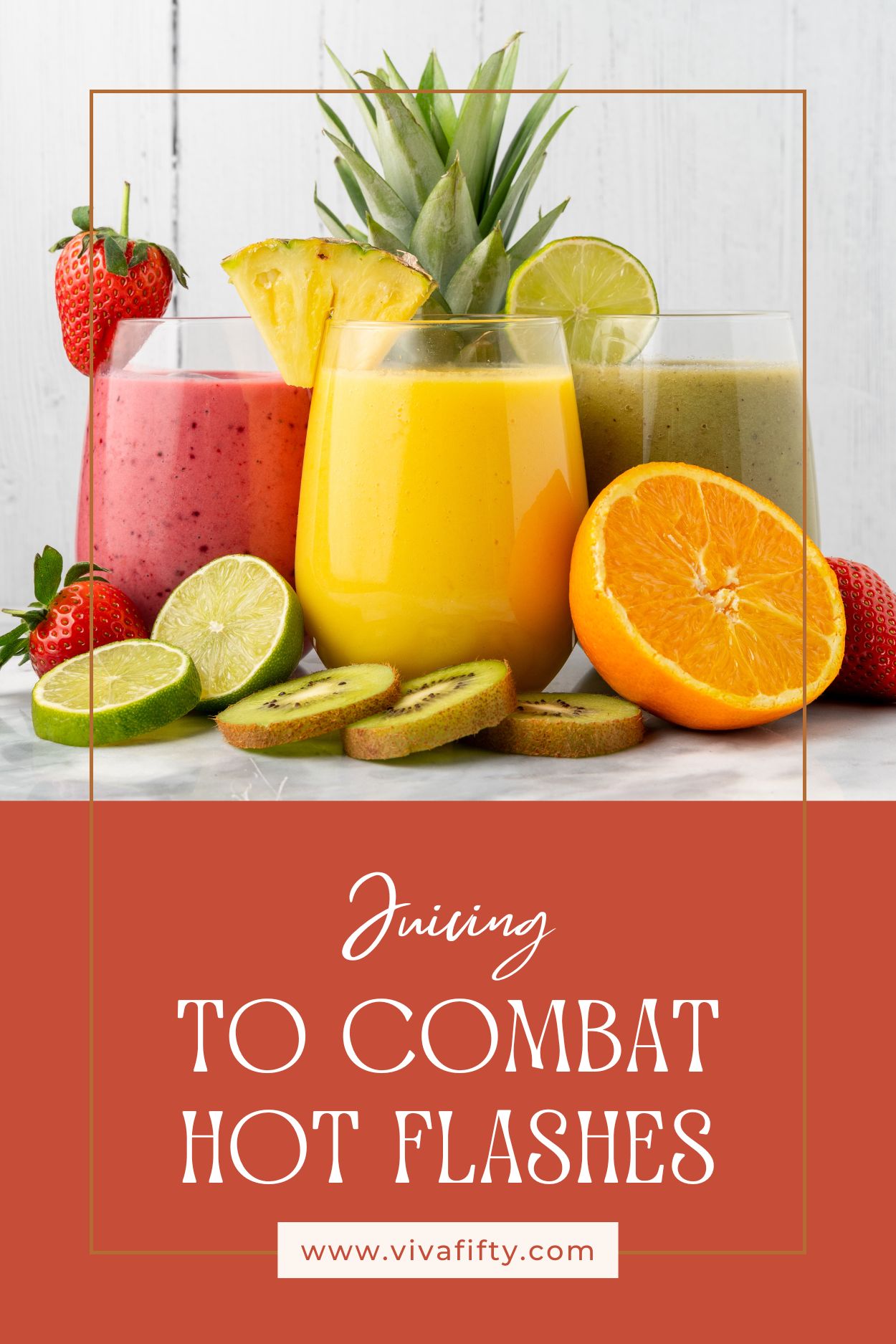
You can reduce hot flashes by juicing for menopause.
I know of women who have breezed through menopause as though nothing happened except for the cessation of their monthly period. However, many more women suffer from hot flashes so intense that they can interfere with daily life and interrupt sleep.
A natural way to treat hot flashes is through our diet, specifically through juicing.
This post was updated in November 2024
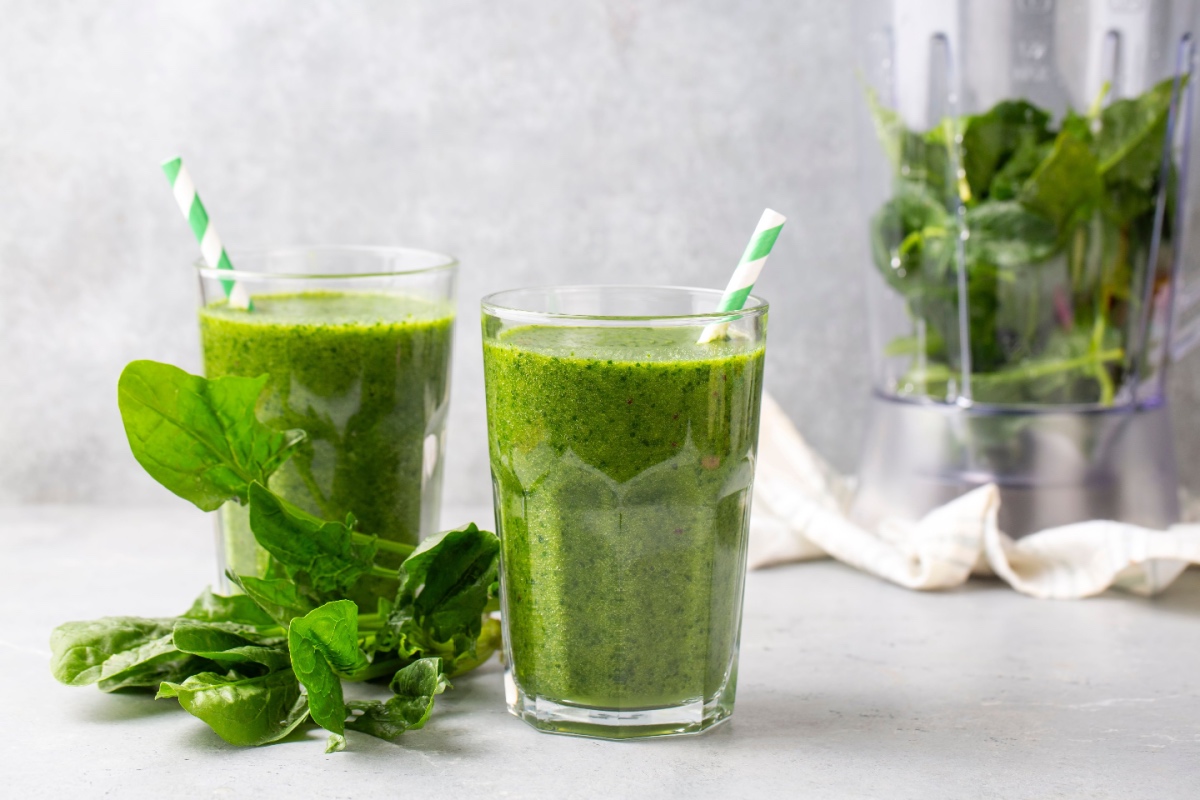
How to get rid of hot flashes with juice
Juicing can be an effective way to incorporate nutrient-rich fruits and vegetables, which may support women experiencing menopausal symptoms.
Here are some recent studies and recommendations on how juicing fits into a diet that might ease symptoms:
How juicing can help ease menopause symptoms
Menopausal symptoms including hot flashes are the result of hormonal imbalance, especially in relation to estrogen. Phytoestrogens are plant compounds that are similar to estrogen and can help balance your hormonal levels.
According to the Cleveland Clinic, foods such as berries, carrots, and apples contain phytoestrogens and can help balance your hormonal levels and reduce menopause symptoms like hot flashes.
Also, foods that are high in omega-3 fatty acids like sardines can help. But don’t put sardines in your juice. Yuck.
Another option when experiencing hot flashes is to eat cooling foods. According to traditional Chinese medicine, cooling foods like cucumbers, radishes, watermelon, and others can help reduce excess heat and inflammation.
It’s important to note that sugar increases a woman’s blood sugar level, which in turn elevates body temperature, stress response, and heart rate, a major contributor to hot flashes and night sweats. So when juicing, use only small amounts of healthy sweeteners such as stevia and coconut nectar.
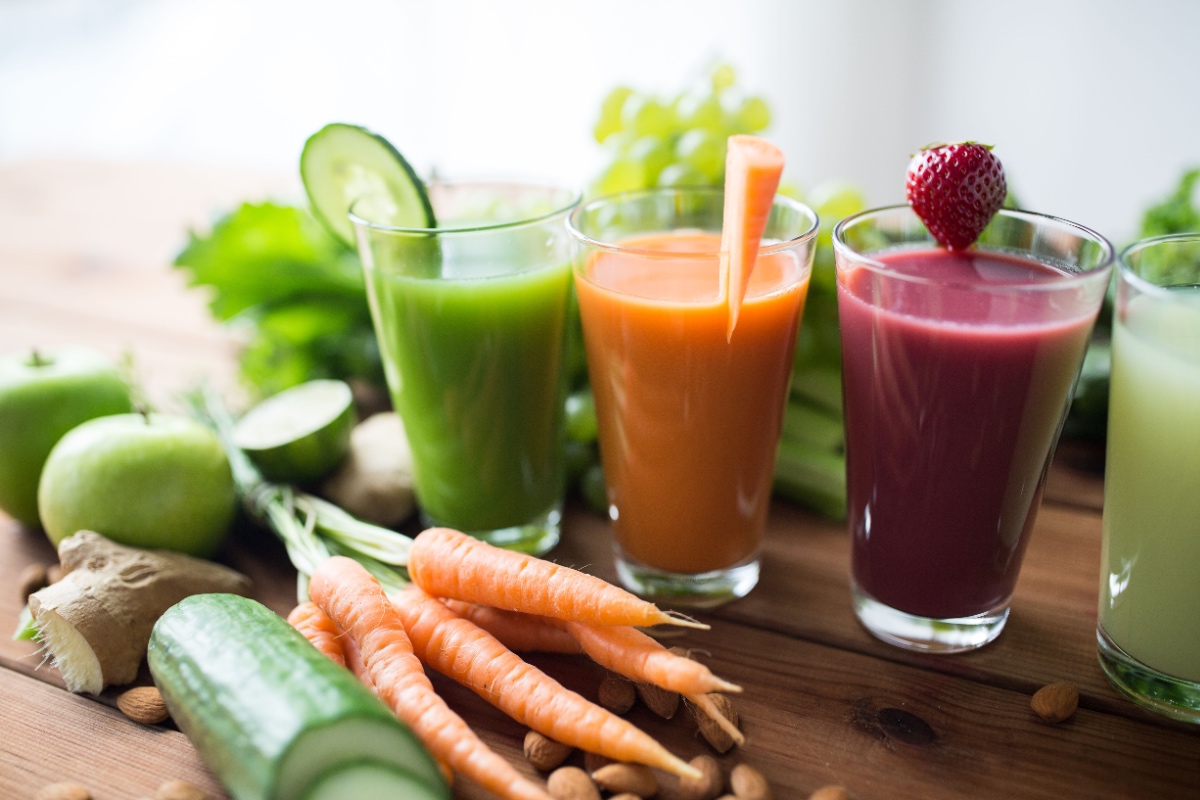
Best veggies for menopause juicing
Carrots: Not only do carrots have phytoestrogens, but they’re also rich in vitamin A, potassium, beta-carotene, and a variety of antioxidants, all of which help contribute to your overall good health.
Tomatoes: According to a study in Nutrition Journal, tomatoes contain a variety of bioactive ingredients that provide physical benefits for middle-aged women. Tomatoes are also a great source of antioxidants, vitamins A, K, and C as well as folate, calcium, and potassium.
Celery: A tasty root vegetable that is 95% water yet is an excellent source of fiber and vitamins. And according to WebMD, celery can help cancel out natural chemicals called radicals which can harm cells in your body.
Kale: This leafy green is considered a superfood because it’s loaded with vitamins, carotenoids, and manganese. The Mayo Clinic says Kale supports the immune system and lower blood among its many benefits. It is also considered a cooling food in traditional Chinese medicine.
Cucumbers: A cooling food that is a good source of fiber, magnesium, and vitamins, but also has electrolytes and anti-inflammatory properties. Bonus, Cucumbers help improve hair, skin and eye health!
Best fruits for juicing during menopause
Citrus: Loaded with vitamin C and antioxidants, citrus such as bitter oranges also contain Citrus aurantium L. var. Amara, also known as Leroni oil, an essential oil that has sedative, antianxiety and antidepressant effects. According to a study published by the National Library of Medicine, inhaling Leroni oil helps relieve menopausal symptoms.
Apples: They’re insanely good for you. Aside from lowering your cholesterol levels and balancing your blood sugar, apples also boost your microbiome to promote gut health. On top of all that, apples also contain phytoestrogens that help balance estrogen in the body.
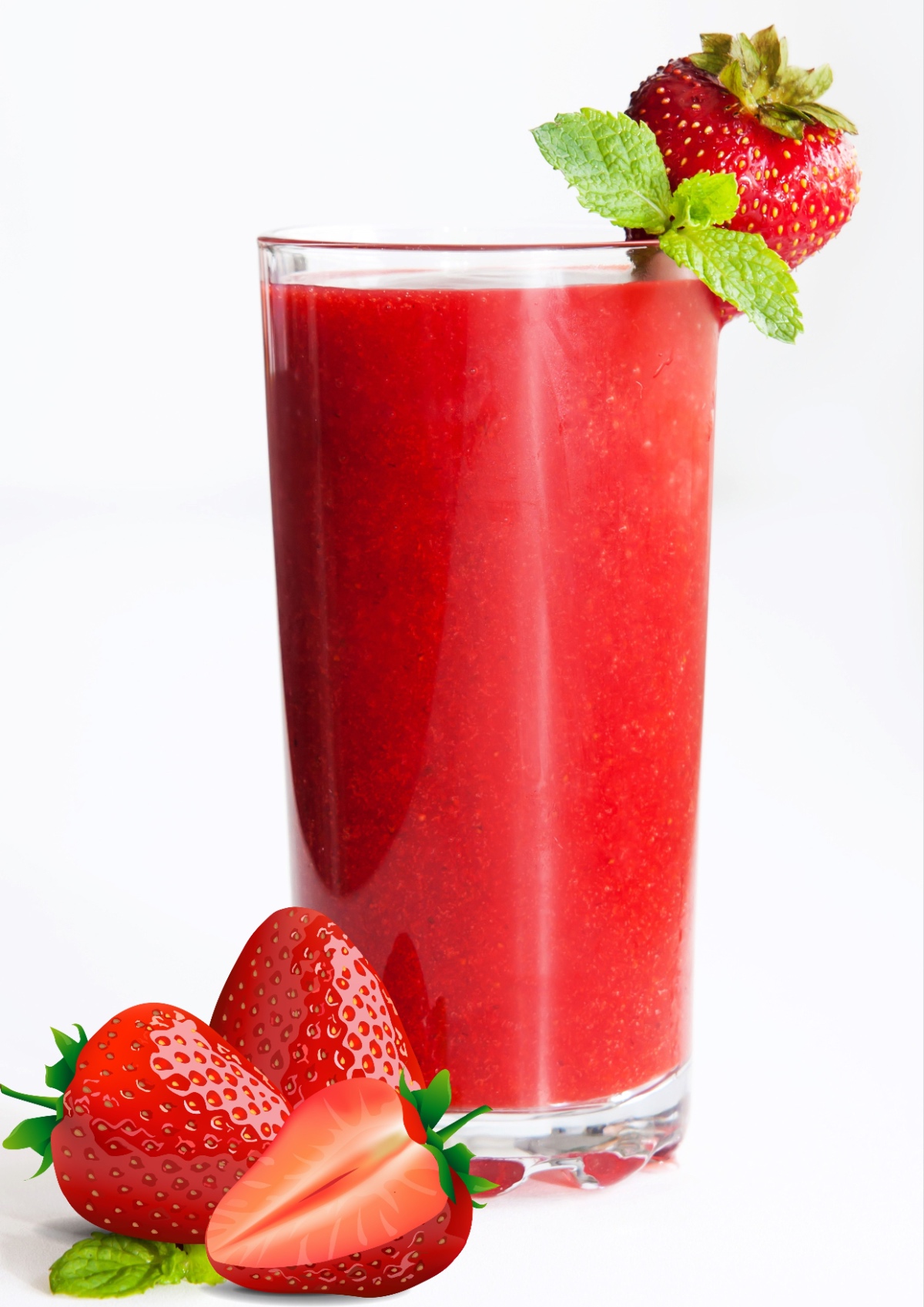
Strawberries: Pretty much all berries including blueberries, raspberries, and blackberries, are loaded with antioxidants. They also help decrease triglycerides, and manage your blood sugar, among many other health benefits.
But berries, like apples, contain phytoestrogens and bioflavonoids that help balance your estrogen levels and reduce menopause symptoms.
Kiwifruit: This tart little fruit has many health benefits including vitamin E which according to Sentry Health helps combat hot flashes. Also, a study published in the Library of Medicine showed that Kiwifruit can help people with perimenopausal symptoms or hormonal disorders.
Bananas: These sweet inexpensive fruits are good for everything. Like most fruits, they are loaded with antioxidants, potassium, and vitamins. But they also contain serotonin, which plays a key role in regulating the body including mood, memory, and behavior.
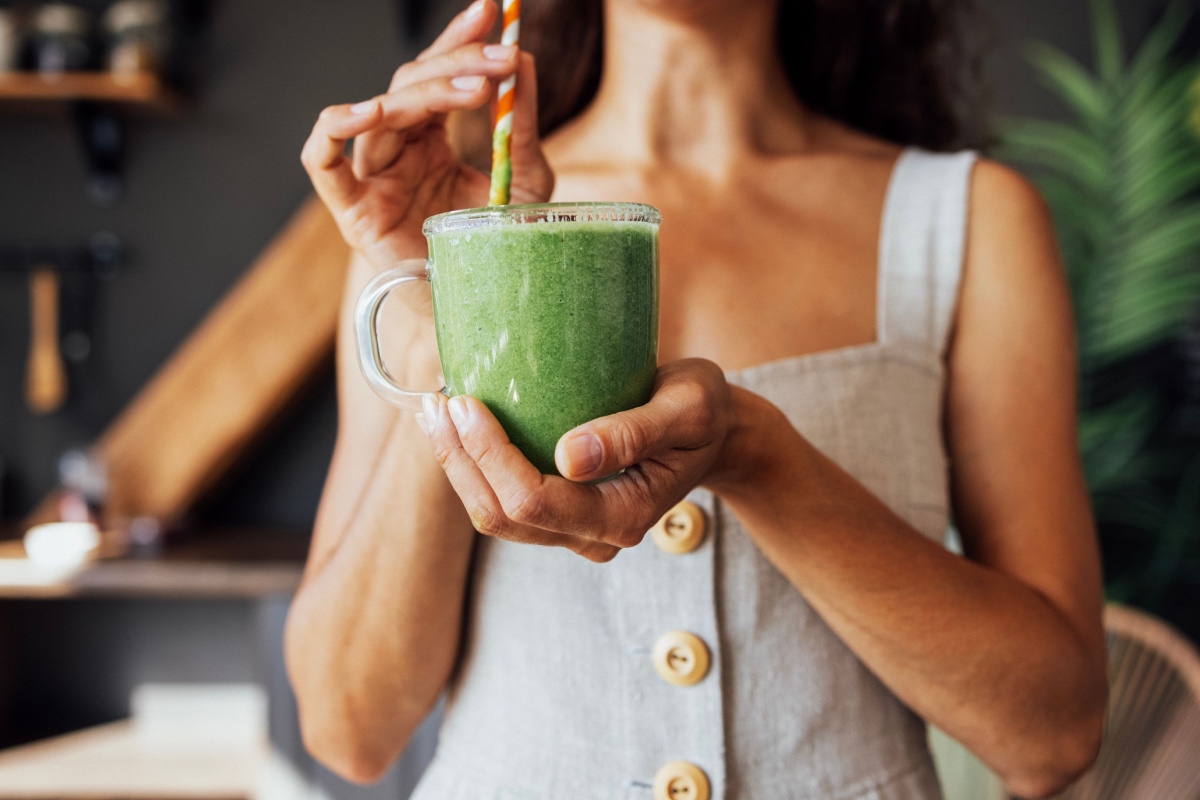
2. JUICE RECIPES
Happy Morning Recipe by Cherie Calbom
Serves 1
Ingredients:
- 1/2 green apple
- 4-5 carrots, well scrubbed, green tops removed, ends trimmed
- 3 fennel stalks; include leaves and flowers
- 1/2 cucumber
- Handful of spinach
Directions:
Cut produce to fit your juicer’s feed tube. Juice the apple first and follow with other ingredients. Stir and pour into a glass.
Drink as soon as possible.
Recipes from Jugos Para Una Vida Saludable and Juicing for Life
Goin’ Green Recipe by Cherie Calbom
Serves 1–2
Ingredients:
- 1–3 beet leaves
- 1–3 kale leaves
- 2 ribs of celery
- 1 cucumber, peeled if not organic
- 3 carrots
- 1 pear
- ½ lemon, peeled if not organic
Directions:
Place some green leaves in your juicer; alternate leaves with celery followed by cucumber, carrot, pear, and lemon.
Drink as soon as possible.
Note: Kale is packed with calcium in a form that the body assimilates far better than the calcium in dairy products—and that’s a great bonus for your bones!Recipe from The Juice Lady’s Anti-Inflammation Diet: 28 Days to Restore Your Body and Feel Great

Excelente…me encanto la indormacion…tratare de comprar el libro The juice Lady
Un abrazo y ¡gracias por comentar!