We humans haven’t had much experience being old.
Here’s what I mean: if you’re a reasonably healthy, non-smoking 65-year-old woman today, you have about a 1-in-2 chance of living to 90. Just 75 years ago, those odds were roughly 1 in 8.
In other words, old age is common for the first time in human history.
But our thinking hasn’t caught up. Society still tends to expect people in their 60s and beyond to become weak, dependent, and confused — a burden to be managed, ignored, or gently patted on the head. You may have experienced this yourself: people talking over you, humoring your ideas without really listening, or even family members patronizing you and dismissing your concerns.
Sadly, we often internalize these negative beliefs about aging, too. We may begin trusting ourselves less, speaking to ourselves in belittling ways, or lowering our expectations for what our later years can hold.
Pushing Back Against Ageism — Our Own and Others’
I started noticing ageism as a societal problem when I turned 65, almost ten years ago. I began researching it, interviewing older people who were living satisfying and interesting lives, and paying closer attention to my own attitudes and assumptions.
As an author, I’ve always tried to crack important codes in my books — previously about leadership, learning, and change. The more I investigated ageism and aging in this era of increasing lifespans, the more I wanted to help crack a new code: how to get old well.
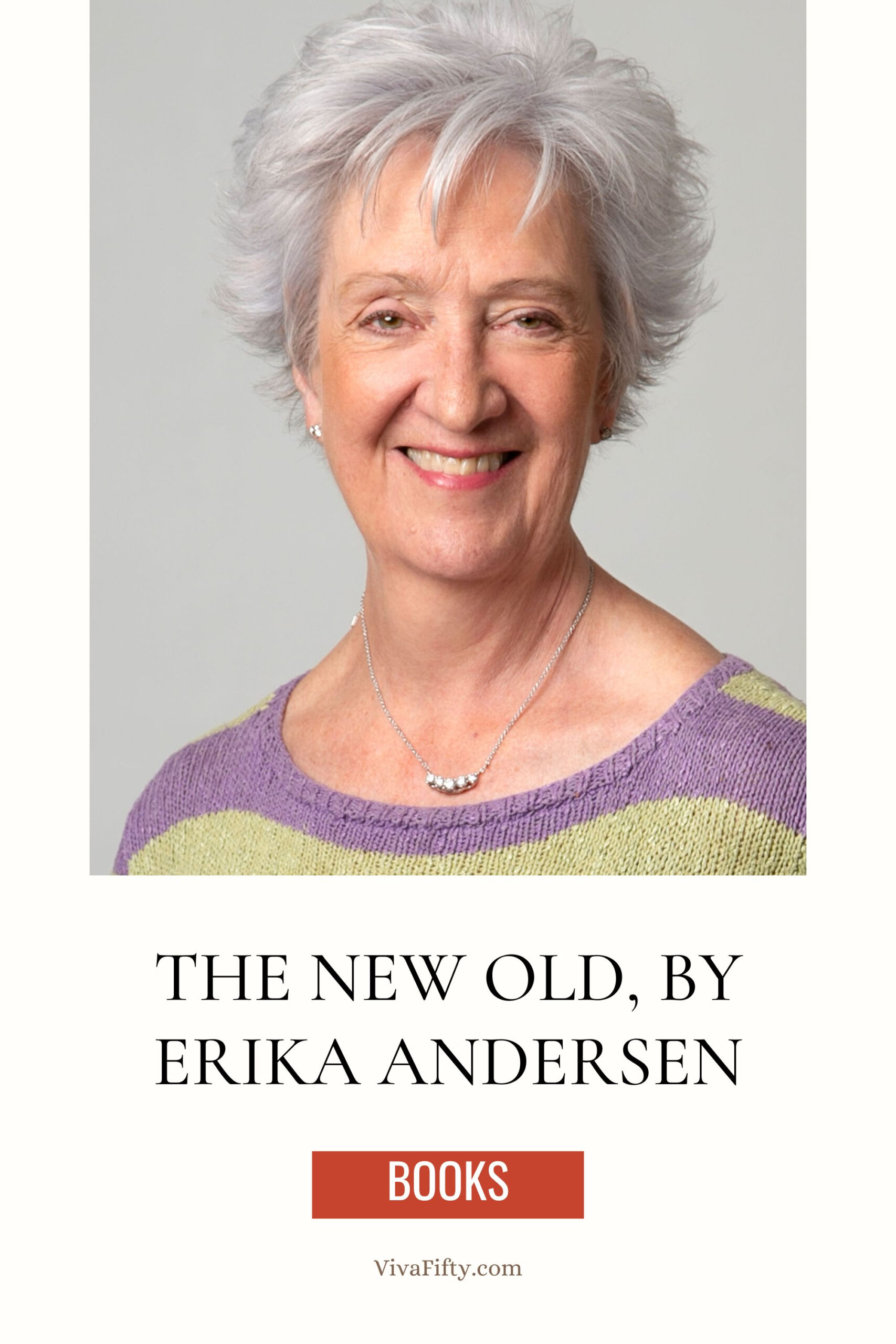
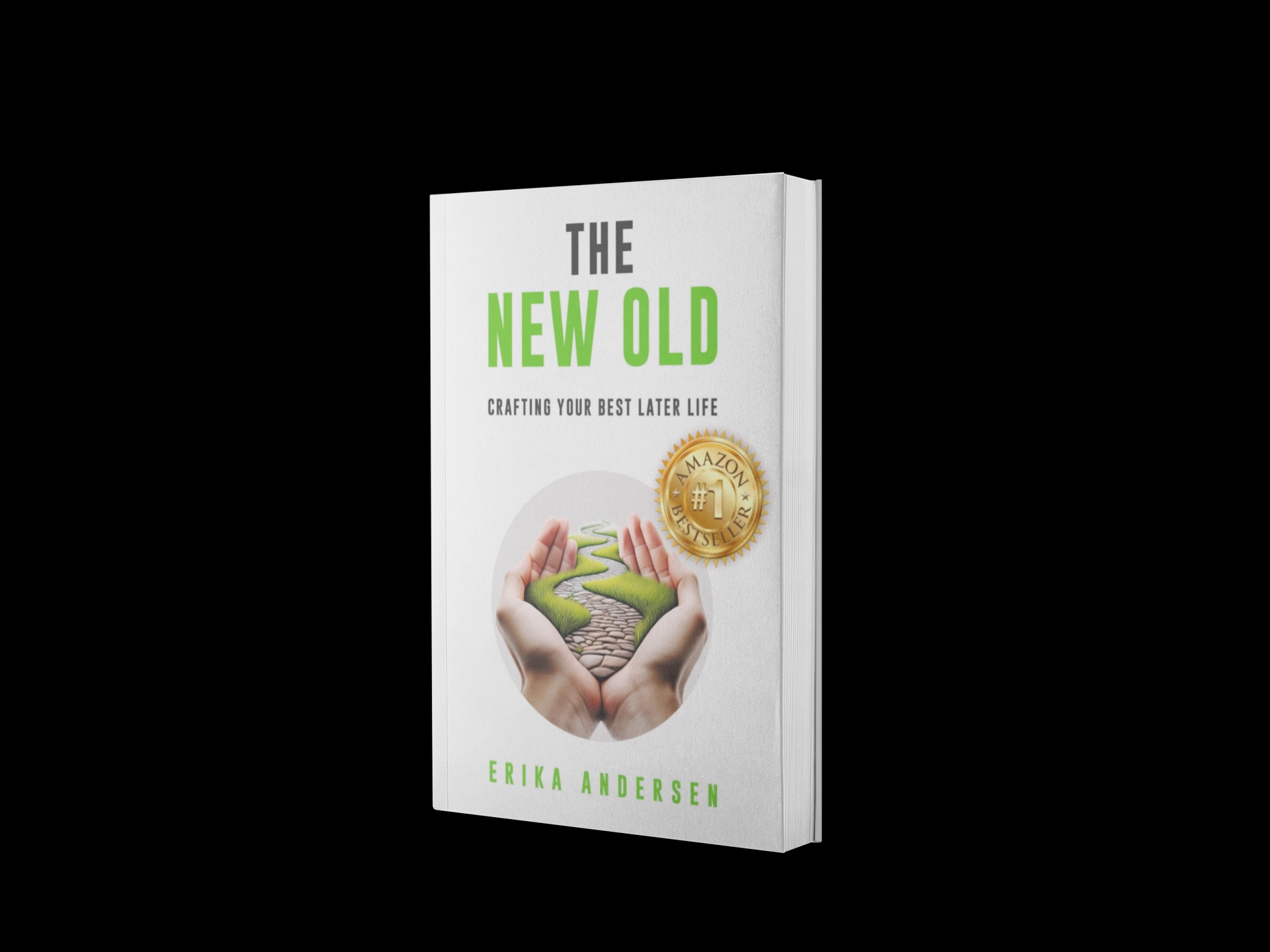
That’s why I wrote The New Old: Crafting Your Best Later Life. I wanted to offer simple, practical principles anyone could use to increase the odds of having an interesting, satisfying, and joyful third act, despite what society tells us about being old.
Three Principles — and the Thread That Runs Through Them All
- Be the Boss of Your Life
All too often, once we’re no longer working, or at least no longer working full-time, and our children, if we have them, are grown, it becomes easy to drift into a permanent state of “filling time.” We stay busy, but we may not have a clear idea of what we actually want from our later years.
Research shows, though, that people who most enjoy their later years tend to have a clear sense of purpose — a reason, or reasons, to get up in the morning.
I encourage you to create a vision for the kind of older person you want to be and the kind of later life you want to have. That vision can be ambitious and outward-facing: “I’m a mentor and guide for younger people, and I support the causes I care about in my community.” Or it can be quieter and more personal: “I’m active and engaged, and I enjoy spending time with friends, family, and my garden.”
From there, I offer an approach for creating a practical plan to move toward that vision, and for building a community to help you achieve it. As the boss of your later life, you can learn to lead your healthcare providers, service people, and family members, rather than allowing them to decide your path for you.
- Master Your Mindset
A landmark 23-year study by the Yale School of Public Health showed that participants with a more positive view of aging lived, on average, 7.6 years longer than those with a more negative attitude.
That is powerful. Simply having a hopeful and positive mindset about getting old can have a dramatic effect on how you experience your later life, as well as on your health and longevity.
In the book, I provide a simple technique for managing how you talk to yourself — about aging or any other topic — giving you the tools to master your mindset even in the face of other people’s negativity. I then build on that core capability to help you become more mindful and more grateful, both of which research suggests can improve the quality, and perhaps even the length, of your life.
- Get Good at Change
Younger people often assume that life after 50 is boring and unchanging. Those of us in our later years know that couldn’t be further from the truth.
Later life is filled with change. And often, that change comes at you whether or not you invited it. Health issues, the death of loved ones, children moving away, retirement, shifting identities — these are big transitions, and they can be challenging and complex.
I offer an approach to moving through life’s uncertain transitions with grace, hope, and minimal resentment. I also show you how to keep learning, because our brains remain wonderfully capable throughout our lives, as long as we keep using them.
For many of us, this stage of life is the first time we get to learn something simply because we want to, not because we need to succeed at work, raise children, or meet someone else’s expectations. Want to learn a language, earn a degree, or develop a new skill? Go for it.
Connection: The Thread That Runs Through Everything
Finally, I help you focus on whether you have the kind of deep human connections you want and need in later life.
Those connections often fray when we leave work, when friendships built around our children fade, or when hobbies, neighborhoods, and routines change. In The New Old, I offer an approach to finding and building new friendships with people who will enrich your later life and support you in becoming your best self.
Crafting Your Best Later Life
Above all, I want you to know this: your later years can be filled with meaning, connection, discovery, and joy.
This stage of life is not just about growing older. It is about discovering that at 60, 70, and beyond, you are still a work in progress — and the blueprint is yours to draw.
Author Bio
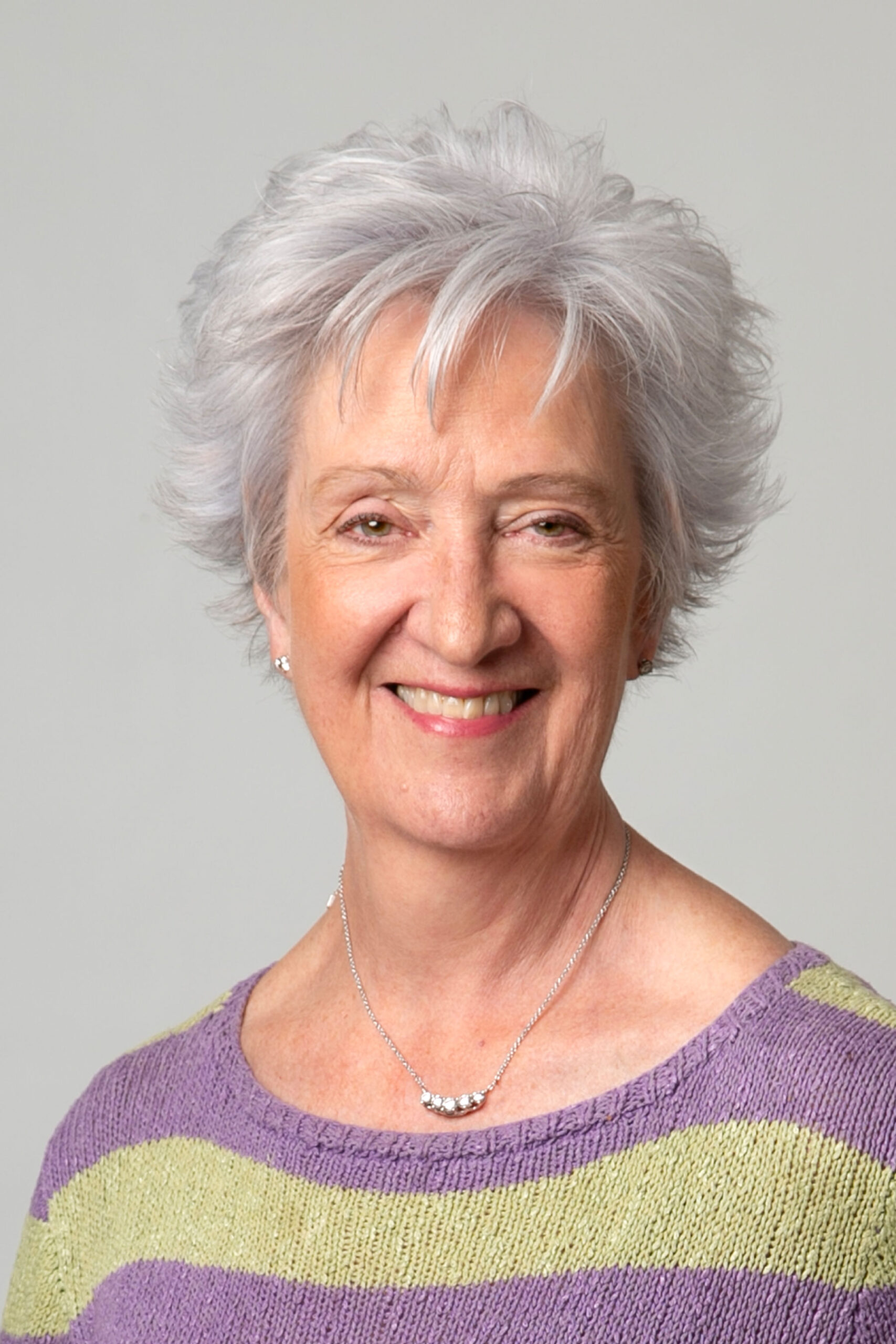
Erika Andersen is the founding partner of Proteus, a coaching and consulting firm focused on leader readiness, and the bestselling author of The New Old: Crafting Your Best Later Life. Her work on leadership, learning, and change has been translated into seven languages and featured in Harvard Business Review, The Wall Street Journal, and The New York Times. Now in her seventies, she divides her time between Spain and the United States.